
Email Signature Trends to Watch in 2026
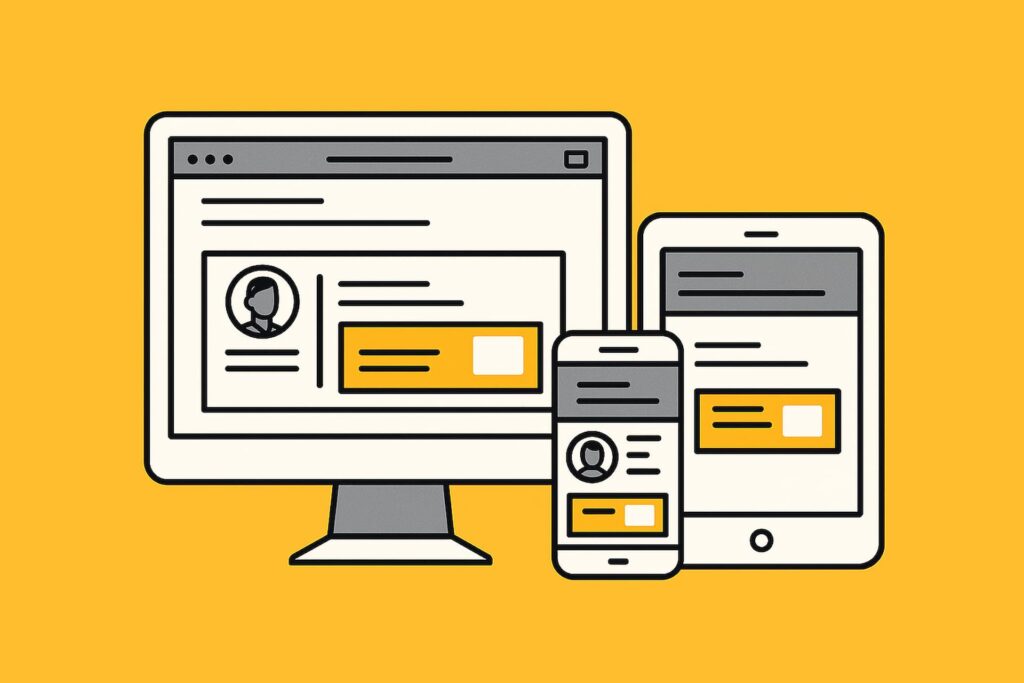
Email signatures used to be simple blocks of text at the bottom of an email. In 2026, they’ve evolved into a strategic communication channel, one that touches customers, partners, prospects, and internal teams every single day.
With Microsoft 365, Exchange, and Google Workspace becoming more integrated and AI pushing automation further, businesses are investing heavily in signature consistency, campaign control, personalization, and compliance. The result: 2026 is shaping up to be the biggest year yet for innovation in email signatures.
Here are the top trends every organization should prepare for.
1. Centralized, Cross-Platform Signature Control Will Become a Standard Requirement
In the past, email signatures were often set up manually on each device. By 2026, organizations can no longer rely on that approach, not when their teams rotate between:
- Outlook desktop
- Outlook Mobile
- Gmail mobile apps
- Webmail
- Mixed Microsoft and Google environments
- Hybrid work setups
2026 is the year centralized signature management becomes non-negotiable.
Companies want:
- One place to design and control every signature
- Automatic syncing from their directory
- Guarantees that every device shows the correct signature
- Zero local setup required
Tools like SIGNandGO make this possible, and businesses now expect it by default.
2. Campaign Banners Will Become a Top Internal & External Communication Channel
Marketers have rediscovered the power of email signatures, especially when used as a campaign distribution channel.
In 2026:
- Every email signature becomes a mini billboard
- Banners promote events, product launches, seasonal offers, and internal campaigns
- Campaigns are scheduled, rotated, and targeted
- Signatures evolve from static identity blocks to dynamic messaging tools
For many teams, banners outperform social posts because signatures drive:
- Repeat impressions
- Higher relevance (one-to-one emails feel personal)
- Consistent visibility
- Measurable engagement
Expect to see more teams using signatures to replace or complement internal newsletters and external marketing campaigns.
3. GEO and Department Based Signatures Will Become the Norm
Multinational companies are embracing localization as a competitive advantage. In 2026, email signature personalization goes beyond name and title.
Signatures will adapt automatically based on:
- Region or country
- Language
- Local disclaimers
- Regional office addresses
- Team or department
- Market-specific promotions
- Local compliance requirements
This solves a massive challenge for global organizations making every email accurate in its context, not just its branding.
4. AI-Assisted Personalization Will Evolve Beyond Static Fields
By 2026, AI becomes more commonly integrated into everyday business tools. Email signatures will follow the trend.
Instead of only displaying:
- Name
- Title
- Phone number
- Photo
Organizations will begin experimenting with AI-driven components such as:
- Predictive banners based on recipient engagement history
- Signatures that adjust content based on time zone
- Suggested meeting links sent automatically during business hours
- AI-generated regional disclaimers
- Signatures that adapt for different verticals
This shift transforms signatures into smart, context-aware communication elements.
5. Signatures Will Play a Bigger Role in Compliance and Legal Governance
Email continues to be a legal communication channel, and compliance expectations are getting stricter, especially in regulated sectors like:
- Finance
- Healthcare
- Insurance
- Public sector
- International operations
In 2026, legal teams demand:
- Mandatory disclaimers
- Per-region compliance text
- Automatic updates when regulations change
- Auditability
- Prevention of user-altered signatures
Manual signature management cannot meet these requirements. Centralized control becomes essential for risk management.
6. Click Tracking and Analytics Will Become a Core Requirement
Signatures used to be “invisible.” In 2026, they’re measurable.
Organizations want to know:
- How many impressions signatures generate
- Which banners get the most clicks
- Which departments drive the most engagement
- How signatures contribute to marketing ROI
Analytics turn signatures from a branding afterthought into a quantifiable performance channel.
This is especially important for:
- Marketing teams
- Sales teams
- Leadership teams that want campaign visibility
Expect dashboards to become standard in signature tools.
7. Employee Identity Will Become More Important Than Company Identity
A major shift:
In 2026, prospects and partners increasingly trust people first, not brands.
Email signatures will reflect this trend with:
- Employee photos
- Individual Calendly links
- Personalized call-to-action links
- Localized introductions
- Social profile links
- Territory or region indicators
Humanizing signatures increases trust and response rates in both sales and customer success communications.
8. Signatures Will Integrate More Deeply With CRM Systems
Sales and Customer Success teams need visibility into the full customer journey.
In 2026, signatures become a data source.
Expect deeper integrations where signature engagement (e.g., clicks on meeting links, documents, pricing pages) shows up in:
- CRM timelines
- Contact activity logs
- Sales engagement platforms
- Marketing attribution models
This gives teams a better understanding of intent and engagement without sending additional emails.
9. Multi-Domain and Multi-Brand Management Will Become Mainstream
As more organizations operate multiple brands, products, or business units, they need signature systems that support:
- Multiple domains
- Multiple brand guidelines
- Different disclaimers per brand
- Different campaign banners per unit
- Different visual styles
Email signatures become an extension of brand architecture not just a unified identity block.
10. Signatures Will Be a Key Part of Internal Communications
One of the biggest emerging trends is the rise of signature campaigns for internal use:
- HR announcements
- Company milestones
- Benefits enrollment reminders
- Town hall invitations
- Training and compliance reminders
- Internal events
Because employees see internal emails every day, signature banners become an efficient, automated channel.
The Future of Email Signatures: Consistency, Automation, and Intelligence
By 2026, email signatures will be:
- Centralized
- Automated
- Personalized
- Measurable
- Dynamic
- Integrated with corporate systems
- Key channels for communication and engagement
Organizations that continue using manually updated signatures will fall behind in branding, governance, and operational efficiency.
Those that adopt modern signature management platforms will unlock:
- Higher brand consistency
- More campaign visibility
- Better analytics
- Less IT workload
- Higher trust with recipients
- Better internal and external communication
How SIGNandGO Supports These 2026 Trends
SIGNandGO is purpose-built for the new era of email communication.
You get:
- One platform for Microsoft 365, Exchange, and Google Workspace
- Automatic directory syncing
- GEO-based signatures
- Unlimited campaigns and banners
- Advanced analytics
- Compliance tools
- Multi-domain support
- No user-side installation
- Perfect consistency on all devices
SIGNandGO is a centralized and automated solution designed to fit the future of email signatures, not the past!